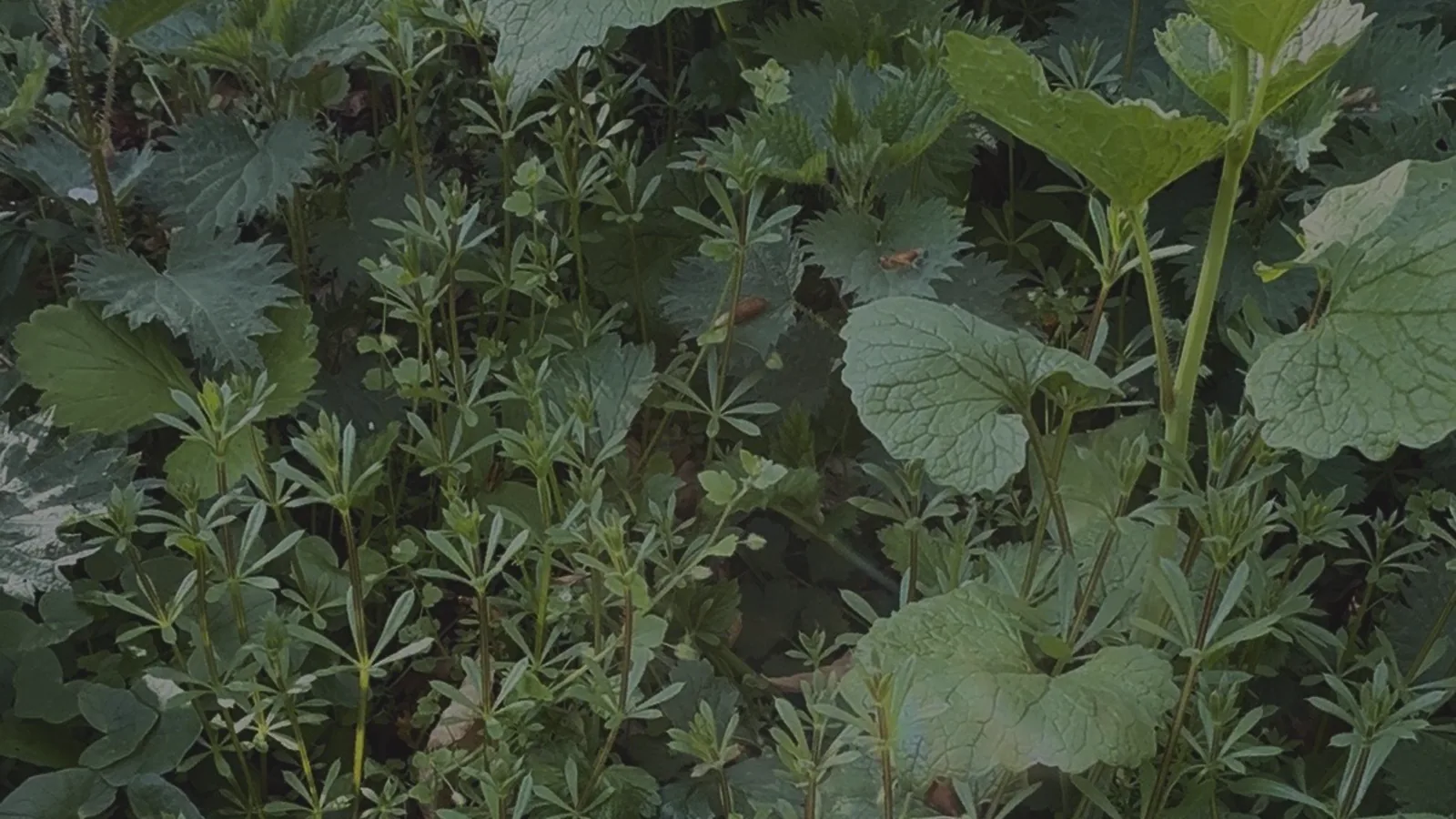
Fresh stinging nettle (Urtica) growing in the wild

Herbal medicine, explained

Herbal Medicine

01

What is Herbal Medicine?

Herbal medicine (also called botanical medicine, phytotherapy, or herbalism) is the use of plants - or parts of plants such as leaves, roots, seeds, bark and flowers - for medicinal purposes. It has been used across cultures for thousands of years to treat & prevent illness, manage symptoms, and promote the body's own healing processes.

At its core, herbal medicine recognises that plants contain bioactive compounds; chemical constituents that influence physiological processes in humans. These compounds interact with body systems in measurable ways, and modern science continues to investigate how they work, both on their own and in combination with other plant constituents.

Herbal medicine is grounded in both traditional knowledge - informed by centuries of observation and documented use - and scientific research that explores how specific plants and their constituents affect human biology. While the evidence base varies from one plant to another, clinical trials and pharmacological studies exist for many commonly used herbs, and ongoing research continues to expand our understanding of their mechanisms and effects.
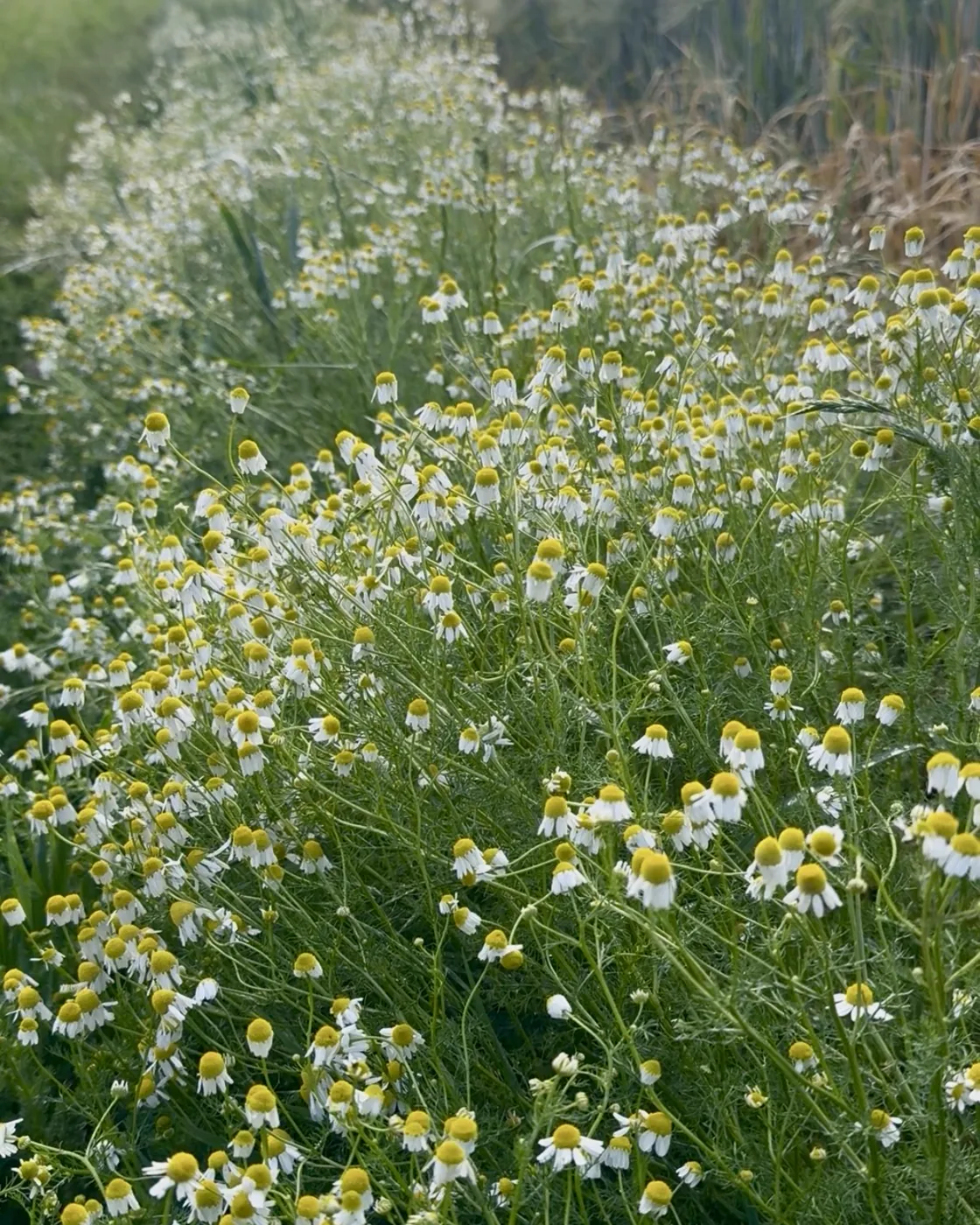
A meadow of wild chamomile in flower

02

How Herbal Medicine Works

Rather than isolating a single molecule like many pharmaceutical drugs, herbal medicine uses extracts from whole plant parts. This means the body encounters a complex mixture of compounds, many of which act synergistically - that is, they work together in ways that differ from isolated ingredients alone - to reinstate balance within the body.

Herbalists take into account the chemical makeup of plants, how different constituents interact with human physiology, and how individual patient factors influence response. This helps inform personalised formulations tailored to each person's unique health profile.

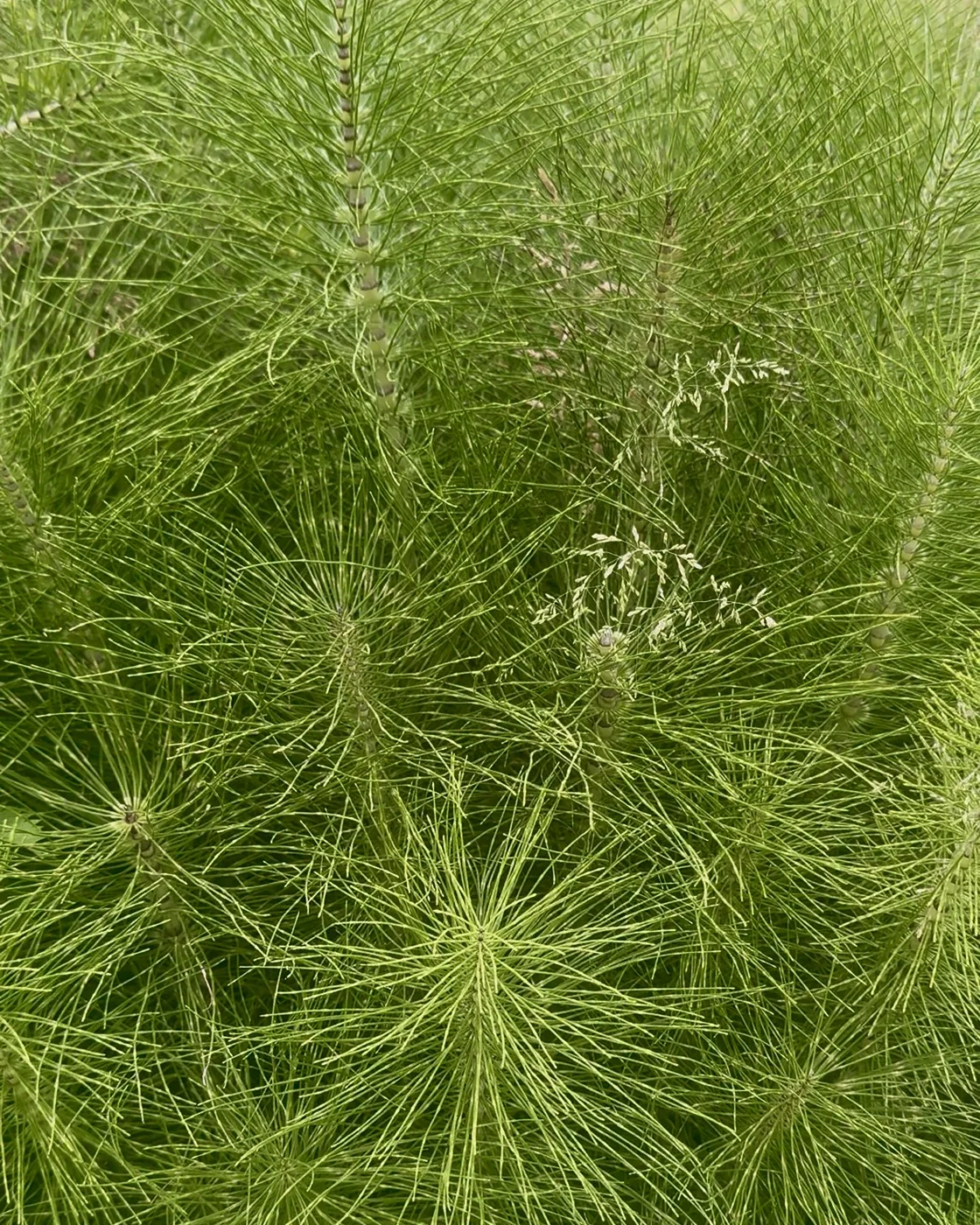
Feathery green fronds of horsetail (Equisetum) growing in the wild
03

Safety

Herbal medicine is generally safe when prescribed by a qualified Medical Herbalist. Medical Herbalists undergo rigorous training in anatomy, physiology, pathology, and pharmacology, as well as in the chemistry, preparation, and dosing of medicinal plants. This ensures we can prescribe herbs safely, including those that are restricted or require specialist knowledge, while monitoring for potential interactions with medications or underlying health conditions.

Consulting an accredited Medical Herbalist means your treatment is evidence-informed, carefully dosed, and tailored to your individual needs, providing effective care without compromising safety.

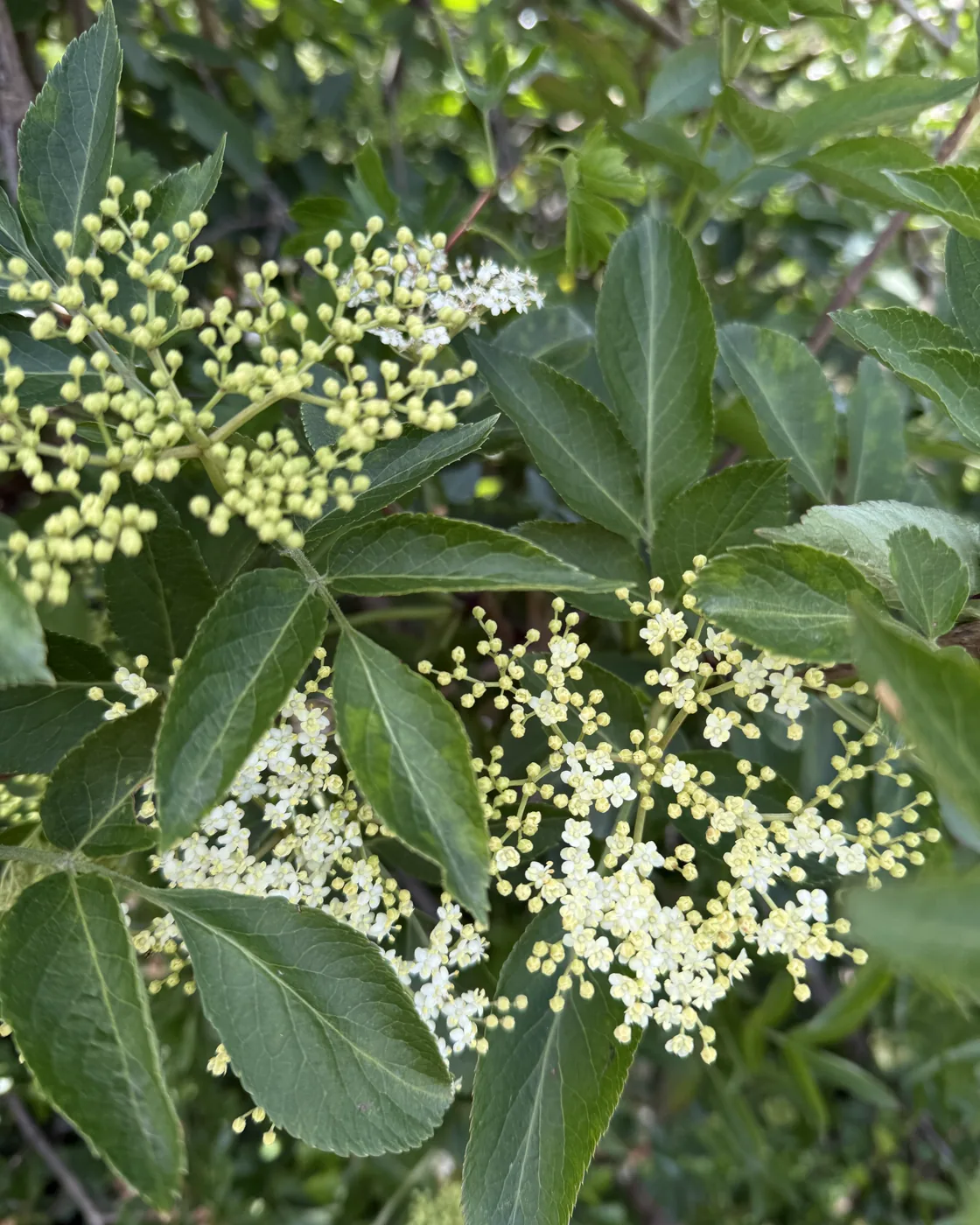
Elderflower in bloom on the tree
04

Herbal Medicine In Practice

In clinical practice, herbal medicine supports an extremely wide range of acute and chronic health concerns; from digestive and nervous system support to hormonal balance, immune function, skin conditions, chronic conditions and acute conditions (such as infections). Treatments are individualised, with herbs prescribed in forms that suit both the patient and the condition, such as tinctures, teas, capsules, topical applications, or specially tailored combinations.

By integrating traditional knowledge with modern scientific understanding, Medical Herbalists provide a personalised, evidence-informed approach that addresses both symptoms and underlying causes, supporting the body to repair.

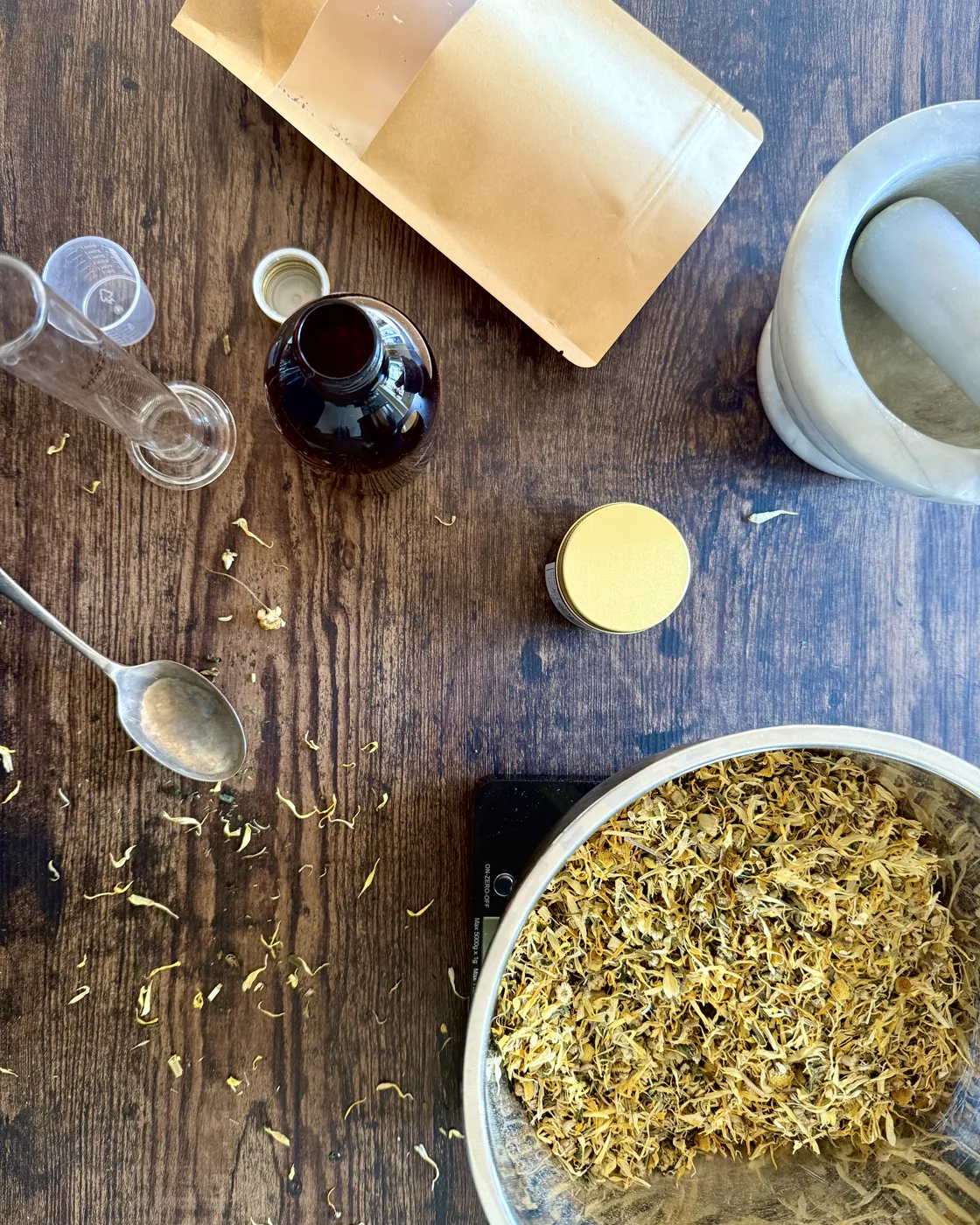
Dried calendula flowers in a bowl with a pestle and mortar and an amber tincture bottle on a wooden bench

Schedule your consultation

If you'd like to learn more about how herbal medicine could support your health, get in touch to book a free 15-minute call or a full consultation.